No one will Read this Calm and Rational Post

Why does everything feel so shit right now? Part of the problem is that anger is just so much more viral than joy.
Ok, on one hand lots of things are objectively bad: war, rise of authoritarians, youth unemployment, high rents, high homelessness, climate change. On the other hand, it's still one of, if not the best, times to be alive in human history: long life expectancy, high homeownership, high rates of education, unprecedented spending on recreation and travel, proportionately low rates of people dying from conflicts, higher than ever number of people above the $2/day line, etc. Many things are bad, many things are good, and the experience is incredibly variable both locally and globally.
And yet, optimism is decreasing globally.
Along with the decline in optimism is a rise in right-wing and far-right populism. From Chile, to the U.S., to The Netherlands, to Japan, anger is being translated into votes for those who dip a toe, or a whole foot, into Fascism. As my city (London, Ontario) moves towards a municipal election this year, this can even be seen at the municipal level. What is particularly dismaying about this process, from a progressive lens, is that the very conditions used to stoke anger (housing costs, poverty, unemployment, exclusion) are being used as justification to promote parties and candidates most linked to the interests of corporations, service cuts, and divisive messaging.
I propose that we face 2 concurrent challenges at this moment in time:
- Social media algorithms have been nearly perfected to have complete capture of our attention; and
- Outrage is far more viral than any other emotion.
The Perfection of Brain Rot
Others have said this far better than I can, so I will be brief in highlighting how social media providers such as Facebook, YouTube, TikTok, Reddit, Instagram, Twitter (X), and others have figured out how to keep us looking to the point where:
the average Canadian spends 2 hours a day on social media.
While this is only a bit longer than average TV viewing used to be, what is notable is that these two hours are spent on content that has an ideal length for engagement of 18-31 seconds. That means Canadians are consuming hundreds of clips a day, constantly tailored to what they click, respond to, and in particular what leads them to make a purchase. For a far more thorough take on how social media is literally destroying our brains, check out Hazel Thayer's video:
Two points of particular concern are youth, as parents greatly eased or gave up on screen time limits during the Covid-19 pandemic, leading to a very high increase in social media use. And the second being retirees, with Facebook and YouTube use in particular doubling every 3 years among younger retirees. Free time to be spent during retirement is rapidly transforming to time spent on social media.
Altogether, we are absolute suckers for the content stream and this will only increase as mega corporations have more resources than anyone trying to reverse the trend.
The Virality of Outrage
This idea is not new at all. The early newspaper barons knew this as well as we do now, when it comes to generating a response, anger is the most effective emotion. Letters to the Editor have always skewed angry and as soon as news went online it only became more obvious what kinds of stories receive a comment or a share. Fox News is the greatest beneficiary of this approach, turning into a 24/7 outrage machine, with the National Post being Canada's closest competitor. This approach is now used at all levels of politics with local Facebook pages being used to stoke (very often justified) anger and then the finger pointed at any progressive political approaches to bear the blame. From gas prices nonsensically used to point rage at Joe Biden, to needles in playgrounds being used to turn people on progressive city councilors, the value of rage has led to an absolute mass of right-wing influencers pumping out huge volumes of social media content.
It's no surprise in this context that young men are now increasingly likely to believe that women should obey them. Or that after a quiet 10-15 years, white supremacists are visibly active again in Canada. The algorithms noted in the section above will push towards angry content to create engagement, and most of this content is right-wing.
So How Shall We Be?
This leads me to wrestle with my own voice in the mass/morass of public dialogue. Because I live with both rage and joy. I feel rage about homelessness, growing income inequality, lack of opportunity for young people, the erosion of human rights, burning our planet for AI, etc. At the same time I feel joy in human connection, in arts and culture, in good acts, in medical advances, in places where we have found peace.
I know my outrage will be shared. This was evident during the pandemic when my content about Ford's embarrassing mishandling of the response went 'super viral' several times. And Facebook posts where I rage will go more viral than the post linking this reflection. So I could rage about the injustices that very honestly make me very angry. And yet, I don't feel great about adding to the anger in the world.
Or I can spread hope and joy. Like Tim Minchin, I could choose to be a positive contributor to humanity:
And yet, when I say positive things, fellow progressives quickly turn sarcastic to my perceived ignorance of how bad many things are. As an academic (yes, those who are frequently perceived as champagne socialists), I'm sensitive to this accusation and don't want to lose my compassion for those less fortunate than myself. But when I provide a message of hope, barely anyone sees it.
So what do you think progressives should do? Do we join the outrage and help direct people to the real causes of why the bottom 3/5 of society (by household income) are actually struggling? Or do we provide hope and joy and point to better alternatives and the lights in the darkness?
I don't know.
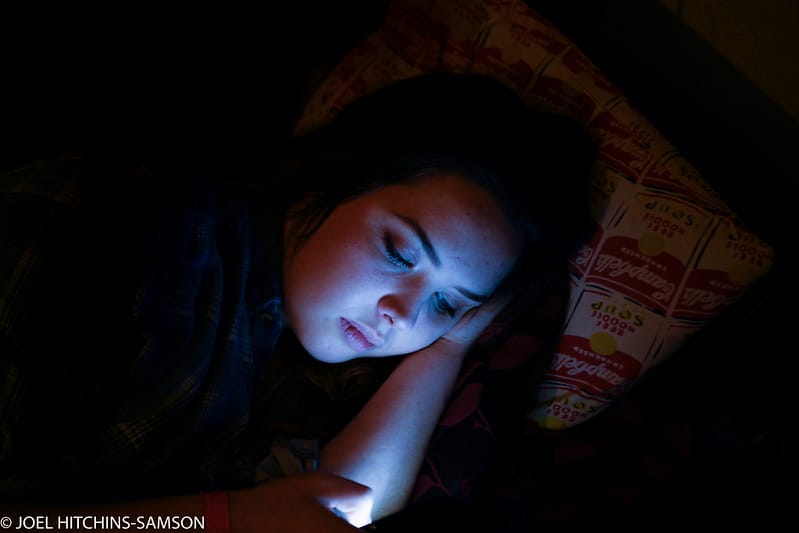
Feature image, via creative commons license, from hitchinssamson at https://www.flickr.com/photos/joelhs/